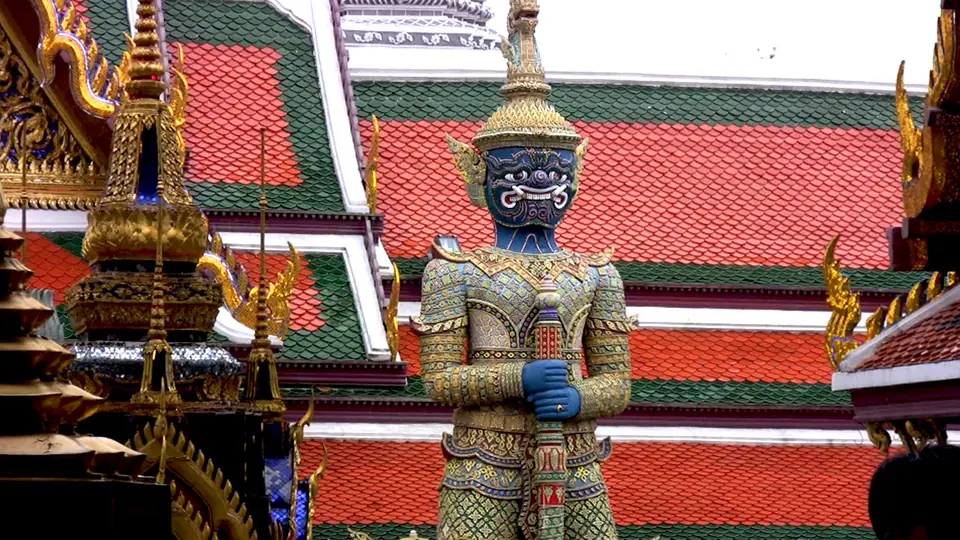
Bangkok’s Grand Palace lights up the night sky, a testament to Thailand’s rich heritage. Thailand offers a dazzling mix of golden temples, tropical beaches, vibrant markets, and lush jungles. This friendly Southeast Asian nation has something for every traveler – whether you’re seeking cultural treasures in ancient cities or a relaxed island getaway. In this guide, we’ll cover what to see in Thailand (both the famous sights and hidden gems), plan a budget in euros for solo and family travelers at mid-range and luxury levels, highlight the best time of year to visit, suggest some offbeat attractions beyond the usual tourist spots, and provide practical tips on money, SIM cards, health, and safety for a worry-free trip.
Must-See Attractions in Thailand
Thailand’s classic attractions are popular for good reason. Here are some must-visit spots to include in your itinerary:
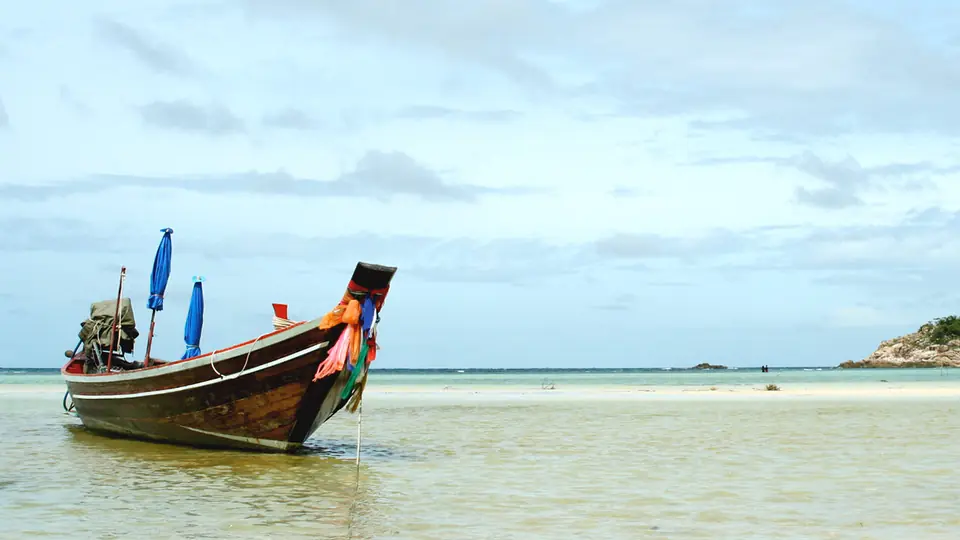
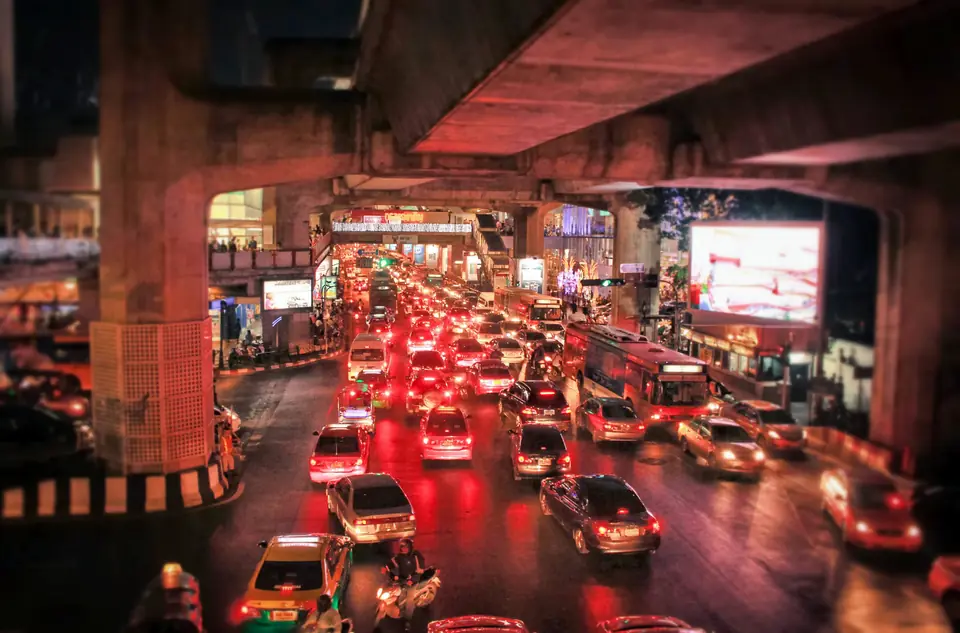
- Bangkok – The Bustling Capital: Explore Bangkok’s blend of old and new. Don’t miss the Grand Palace and Wat Phra Kaew (Temple of the Emerald Buddha), and neighboring Wat Pho with its giant reclining Buddha. In the evening, visit Wat Arun (“Temple of Dawn”) beautifully lit by the river. Experience the chaos of Chinatown and the street food stalls, or take a long-tail boat ride on the Chao Phraya River for a glimpse of local life.
- Chiang Mai – Cultural Northern City: Nestled in the mountains of the north, Chiang Mai is famed for its historic temples and night markets. Climb the steps to Wat Phra That Doi Suthep, a sacred temple on a hill overlooking the city. The old city’s winding lanes hide beautiful Buddhist wats and cozy cafes. If you visit in November, catch the magical Yi Peng Lantern Festival when thousands of lanterns light up the sky.
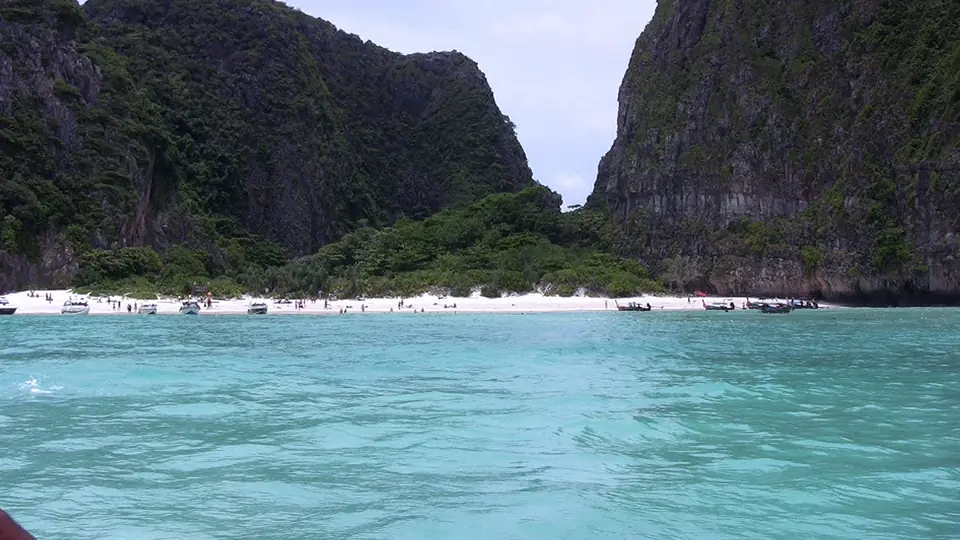
- Phuket & Krabi – Beach Paradise: For sun and sea, head south. Phuket is Thailand’s largest island, known for its lively beaches (like Patong) and nearby Phi Phi Islands with stunning limestone cliffs. In neighboring Krabi province, you’ll find Railay Beach (accessible only by boat) and Phang Nga Bay for kayaking among karst islands. These destinations offer everything from budget bungalows to luxury resorts with postcard-perfect sunsets.
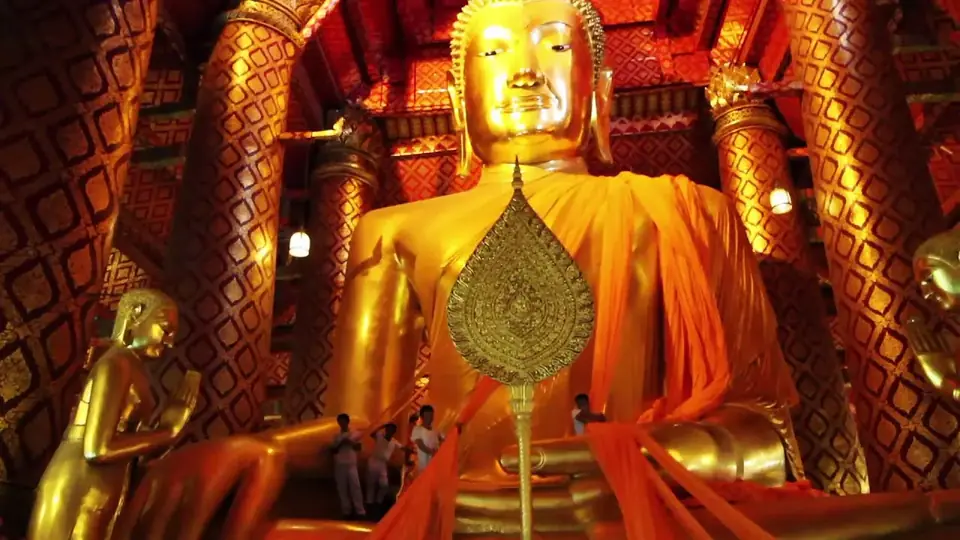
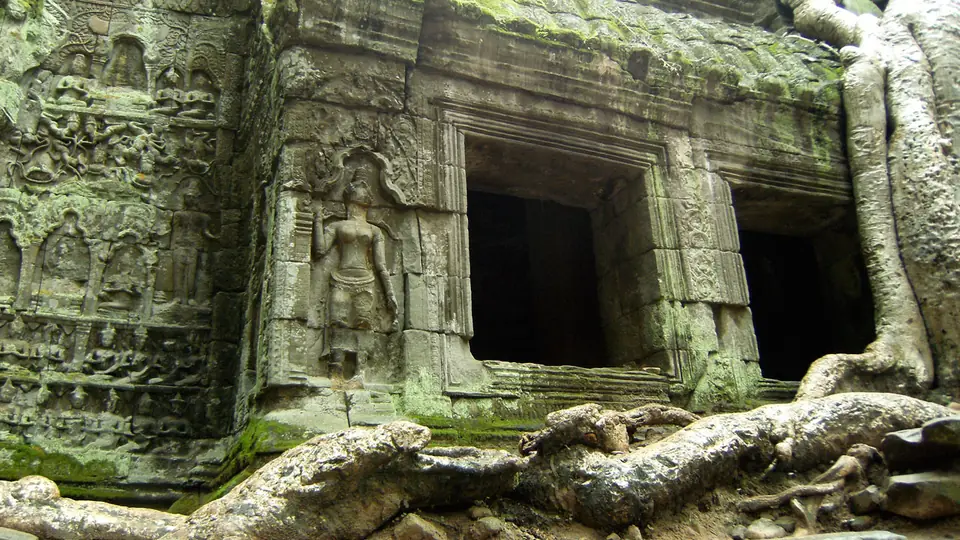
- Ayutthaya – Ancient Capital Ruins: A short trip north of Bangkok lies Ayutthaya, the UNESCO-listed ruins of Thailand’s former capital. Wander among centuries-old temple brick stupas and giant Buddha statues entwined in tree roots. As a former grand city (one of the world’s largest in the 1700s), Ayutthaya’s crumbling temples like Wat Chaiwatthanaram give a fascinating peek into Siamese history.
- Khao Yai National Park: For nature lovers, Khao Yai (a couple of hours from Bangkok) is Thailand’s oldest national park and a UNESCO site teeming with wildlife. Hike through rainforest to see waterfalls (like Haew Suwat, featured in The Beach) and keep an eye out for elephants or gibbons. It’s a refreshing escape into nature after the cities.
Hidden Gems Off the Beaten Path in Thailand
Beyond the famous sites, Thailand brims with lesser-known treasures where you can avoid crowds and see a more authentic side of the country:
- Koh Lanta & Koh Mak – Tranquil Islands: If Phuket or Phi Phi feel too crowded, try quieter islands. Koh Lanta offers peaceful beaches and a laid-back vibe, ideal for families and diving trips. In the Gulf of Thailand, little Koh Mak (and nearby Koh Kood) have uncrowded beaches, clear water, and a sleepy charm – perfect for an off-grid retreat.
- Chiang Rai & The Golden Triangle: Often overshadowed by Chiang Mai, Chiang Rai in the far north boasts the stunning White Temple (Wat Rong Khun) and Blue Temple, contemporary artistic temples unlike any others. From Chiang Rai you can explore the Golden Triangle, where Thailand, Laos, and Myanmar meet at the Mekong River – a region of hill tribe villages and viewpoints over three countries.
- Kanchanaburi – History and Nature: West of Bangkok, Kanchanaburi is known for the Bridge on the River Kwai and WWII history. You can visit the moving museums and war cemeteries, then head to nearby Erawan National Park for its multi-tiered waterfalls and jungle trails. It’s a great mix of history and outdoor adventure without big crowds.
- Uthai Thani – Authentic Thailand: To truly get off the tourist trail, consider Uthai Thani, a small province north of Bangkok. It’s a hidden gem where few foreigners visit, offering an immersive local experience. Marvel at the magnificent Wat Tha Sung (Crystal Temple) with its mirrored halls, take a tranquil cruise on the Sakae Krang River, and enjoy rural markets.
- Mae Hong Son Loop: Adventurous spirits can rent a motorbike or car and tackle the Mae Hong Son Loop in the far northwest. This winding route (over 1,800 curves!) passes through mountainous landscapes, hill tribe villages, caves, and waterfalls around Pai and Mae Hong Son. It’s a road trip through Thailand’s remote beauty – expect stunning vistas at every turn and an authentic glimpse of countryside life. (Tip: Allocate several days to enjoy this loop at a leisurely pace.)
Thailand Trip Budget (Mid-Range vs Luxury)
Travel costs in Thailand can range from very affordable to lavish, depending on your style. Below is a budget estimate in euros for a solo traveler versus a family of four, at mid-range and luxury levels:
- Mid-Range Budget: A solo traveler can comfortably travel around €50–€70 per day in Thailand, enjoying clean guesthouses or 3-star hotels, local restaurants, and occasional tours. A family of four might spend about €150 per day in total at this level, since costs like accommodations can be shared. (For example, mid-range hotels often charge ~€40–€80 per room/night, so two rooms for a family). This budget covers domestic transport (trains, buses, maybe a short flight), street food and sit-down meals, and some paid activities, without too many frills.
- Luxury Budget: For a more upscale experience, a solo traveler could expect roughly €200 (and up) per day, staying in high-end hotels, dining at fine restaurants, and using flights or private drivers. A family of four opting for luxury might spend around €400–€500 per day total for top-tier hotels (e.g. two rooms in a 5-star resort or a family suite), gourmet dining, private tours, and exclusive activities. Thailand’s luxury offerings are relatively good value – even luxury jungle resorts or beach villas can start around $150 (≈€140) a night, which is affordable compared to western prices. Of course, if you add ultra-luxury pool villas or chartered yachts, the sky’s the limit!
These estimates assume a medium pace of travel. Your costs can be lower if you’re a backpacker (Thailand can be done on ~€30/day staying in hostels), or higher if you splurge on shopping and spas. Overall, Thailand remains a budget-friendly destination – a mid-range traveler typically spends about $55–$100 per day here, and even “living large” tends to cost less than in Europe or North America.
Best Time to Visit Thailand
Thailand’s climate is tropical, with a rainy monsoon season and a dry season. Generally, the best time to visit is during the cool, dry months from November to early April. During this period, you’ll enjoy plenty of sunshine and more comfortable temperatures (around 28–36°C in most areas). Here’s a breakdown by season:
- Cool Dry Season (Nov–Feb): This is the peak tourist season because of the pleasant weather. Days are warm, nights can be a bit cooler (especially in the north). It’s ideal for sightseeing and also beach-going on the west coast. Popular islands like Phuket and Krabi have calm seas perfect for diving from November to February. Do pack a light jacket if visiting northern Thailand (Chiang Mai, Chiang Rai) in Dec–Jan, as nights can get down to ~15°C.
- Hot Season (March–May): Temperatures climb and humidity increases. March and April are the hottest months – inland areas like Bangkok routinely hit 35–40°C with high humidity. It’s a great time for the beaches (the Gulf islands or the Andaman Sea) if you don’t mind the heat, and you’ll find fewer tourists toward late April. Note that Thai New Year (Songkran) occurs in mid-April, and it’s celebrated with massive water fights in the streets – a fun cultural experience if you don’t mind getting soaked!
- Rainy Season (May–October): The southwest monsoon brings regular rain and thunderstorms, especially June–September. Expect short, heavy downpours on many days, particularly in the afternoons or evenings. While travel is still possible (and often cheaper) during the “green season,” some islands and ferry routes in the Andaman Sea (west coast) may have limited access in monsoon months. If you visit during this time, consider the Gulf of Thailand side (Koh Samui, Koh Phangan, Koh Tao) which has slightly different weather patterns and can be drier in mid-year. By late October, rains taper off and the country prepares for the cool season again.
(Regional variations: Thailand’s weather can vary between coasts and regions. The east coast (Gulf) often gets its heaviest rains from October through early December, whereas the west coast (Andaman) is wettest around June–October. The far north and mountainous areas are cooler year-round. Overall, November to February is reliably great weather-wise almost everywhere.)
Money and SIM Cards in Thailand
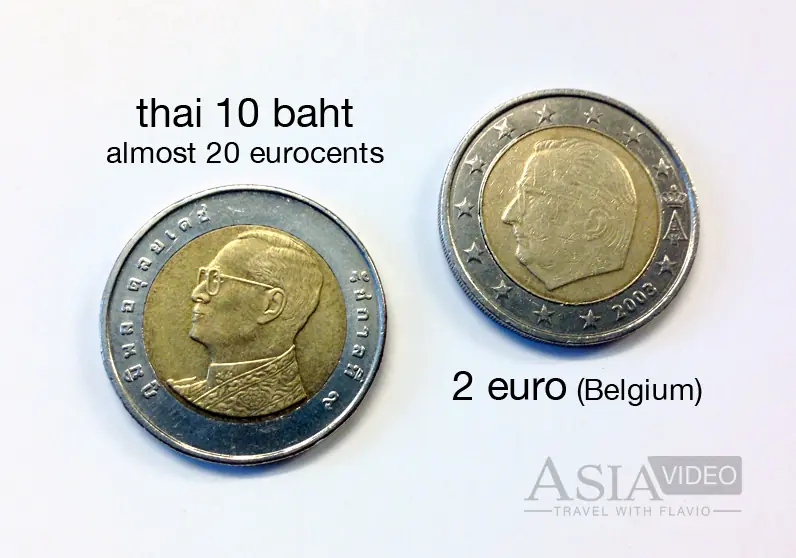
Currency: The local currency is the Thai Baht (THB). Cash is king in many areas, especially for street food, markets, and small businesses. ATMs are widely available in cities and tourist towns, but note that Thai ATMs charge a high fee (~220 THB, about €6-7) per withdrawal for foreign cards.
To save on fees, withdraw larger amounts at once or use currency exchange booths which often give better rates. In Bangkok and major hubs, look for reputable money changers like SuperRich or bank exchange offices – they typically offer excellent exchange rates better than withdrawing cash.
It’s best to avoid changing money at airports if possible, as rates there tend to be less favorable (change just a small amount to get into town, then exchange more in the city). Credit cards are accepted at mid-range and upscale hotels, malls, and restaurants, but you’ll need cash for many day-to-day purchases.
SIM Cards & Internet: Staying connected in Thailand is easy and cheap. The major mobile providers – AIS, DTAC, and TrueMove – all offer prepaid tourist SIM cards with data plans. You can pick up a tourist SIM at any international airport on arrival (the convenience comes at a slightly higher price), or at official mobile shops and even 7-Eleven convenience stores in town (usually just 49 THB for the SIM, then add a data package). AIS often gets praise for wide coverage, while TrueMove has excellent 5G in cities – but honestly, all three networks are reliable in most tourist areas. A typical package might be 299 THB (€8) for 8–15 days with several GB of data.
Tip: Bring your passport when buying a SIM, as registration is required by law. Once activated, you’ll have fast internet to use maps, ride-hailing apps, and share your travel pics. Wi-Fi is also common in hotels and cafes, but having your own data SIM is very handy for navigation and keeping in touch on the go.
Health and Safety Tips for Thailand
Health Precautions: Before traveling to Thailand, it’s wise to update routine vaccines (like tetanus, measles) and consider specific travel vaccinations. Health authorities recommend Hepatitis A and Typhoid vaccines for travelers to Thailand, since these diseases can be contracted through contaminated food or water. Other vaccines like Hepatitis B and Japanese Encephalitis may be advised if you plan extended rural travel, and COVID-19 vaccination is of course encouraged. There’s no compulsory vaccination to enter Thailand (unless you’re coming from a yellow-fever zone), but coming prepared is best.
Mosquito-borne illnesses are a concern in Thailand. Dengue fever is present even in cities, and malaria exists in some remote forested areas (though not in Bangkok or the main tourist cities). Protect yourself by using insect repellent, especially during early morning and dusk, and consider long sleeves/pants in the evenings.
For most travelers sticking to popular routes, malaria risk is low; if you’ll venture deep into national parks or border areas (e.g. trekking near Myanmar or Cambodia borders), ask a travel doctor about anti-malarial medication as a precaution. Carry a small first aid kit with basics like antiseptic, band-aids, and medicine for diarrhea just in case. Pharmacies are plentiful in Thailand and you can get most common medications over the counter at low cost.
Major cities like Bangkok and Chiang Mai have excellent international-standard hospitals (medical tourism is big here), but in rural areas healthcare is more limited – another reason to have good travel insurance that covers medical evacuation, for peace of mind.
Safety: Thailand is generally a safe country for travelers, and you’re unlikely to encounter serious trouble if you use common sense. Violent crime against tourists is rare. However, be mindful of petty theft in crowded places – keep an eye on your belongings in markets, on busy streets, and on public transport. Use the hotel safe for passports and valuables, and don’t flash expensive gear in low-key areas. In Bangkok’s nightlife districts or tourist hotspots, be cautious of common scams (for example, a tuk-tuk driver telling you a site is “closed” and redirecting you to a gem store – politely decline). Always negotiate taxi or tuk-tuk fares in advance or insist they use the meter to avoid overcharging.
Traffic can be a safety challenge in Thailand. Road accidents are a leading risk, especially if you rent motorbikes or scooters in beach towns. Always wear a helmet and drive carefully (or consider hiring a car with driver if you’re not experienced on Asian roads). In cities, use marked crosswalks and walk defensively – motorbikes often weave through traffic. Also, be aware that laws in Thailand are strict: do not insult the monarchy (a serious offense), and avoid any involvement with drugs (penalties are severe). Vaping is actually illegal in Thailand as well. These are unlikely to affect most travelers, but it’s good to know.
Overall, with basic precautions, Thailand is a welcoming and safe destination. Thai people are kind and used to tourists. If you do fall ill or need help, seek out an international clinic (most hotel staff can assist with this). Keep copies of your travel documents, stay aware of your surroundings, and you’ll have an amazing journey in the Land of Smiles. Enjoy your trip!